In the 1960s, neuroscientists were running a strange experiment.
They wired volunteers to EEG machines and began testing different compounds to see how they affected brain activity.
What they were watching for were brain waves.
Different mental states produce different patterns in the brain.
Deep sleep produces slow delta waves.
Heavy thinking produces fast beta waves.
But the most interesting pattern sits right in the middle.
It’s called alpha waves.
Alpha waves appear when the brain is awake, relaxed, and focused at the same time.
Not sleepy.
Not stressed.
Just calm, clear attention.
It’s the brain state often associated with creativity, meditation, and what athletes now call flow state.
For a long time, scientists believed this state could not be easily influenced by a compound. It was something that happened naturally during relaxation, meditation, or deep concentration.
Then researchers tested a molecule called L-Theanine.
And something unusual happened.
The Alpha Wave Effect
When participants consumed L-Theanine, their EEG readings began shifting toward alpha brain wave activity within about 30 to 40 minutes.
That result surprised researchers.
Most compounds push the brain toward stimulation or sedation.
L-Theanine appeared to do something different.
It calmed the nervous system while keeping the brain alert.
Participants described the feeling in similar ways.
Relaxed but attentive.
Mentally clear.
Easier to concentrate.
It wasn’t drowsy.
It wasn’t wired.
It was something closer to stable focus.
Why Scientists Started Pairing It With Caffeine
Caffeine works in a very simple way.
It blocks adenosine receptors in the brain. Adenosine is the chemical that builds up throughout the day and tells you when you are tired.
When caffeine blocks those receptors, fatigue temporarily disappears.
That is why coffee makes people feel more awake.
But caffeine also stimulates the nervous system. For some people that stimulation can lead to jitteriness, racing thoughts, and the familiar energy crash later in the day.
Researchers became curious about what would happen if caffeine was combined with a compound that calms the nervous system at the same time.
So they tested caffeine with L-Theanine.
The results were striking.
Studies found the combination improved attention, reaction time, and task switching. Participants also reported fewer jitters than when they consumed caffeine alone.
In simple terms, the stimulation remained.
But the rough edges disappeared.
Why Focus Is Really About Balance
Many people assume focus comes from stronger stimulation.
In reality, the brain performs best when it sits inside a narrow window.
Too much stimulation and thoughts scatter.
Too little stimulation and the mind drifts.
Alpha brain activity sits right in the middle of that range.
Alert enough to engage.
Calm enough to concentrate.
That is why neuroscientists often associate alpha waves with creativity, deep work, and sustained attention.
It is also the brain pattern L-Theanine appears to support.
Why It Shows Up in Modern Focus Formulas
As interest in nootropics and cognitive performance has grown, L-Theanine has become one of the most studied compounds in the space.
Not because it creates a dramatic surge of energy.
Because it smooths mental energy.
Instead of the spike and crash cycle many people associate with stimulants, it helps create a more stable mental state.
Clearer thinking.
Steadier energy.
Better focus.
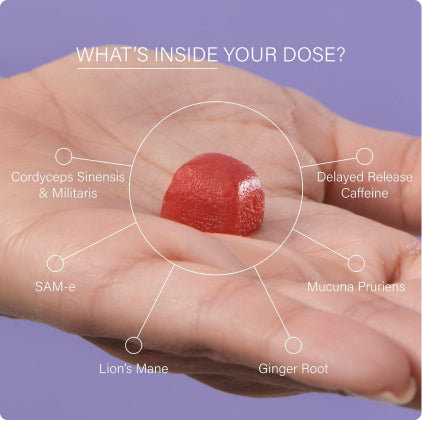
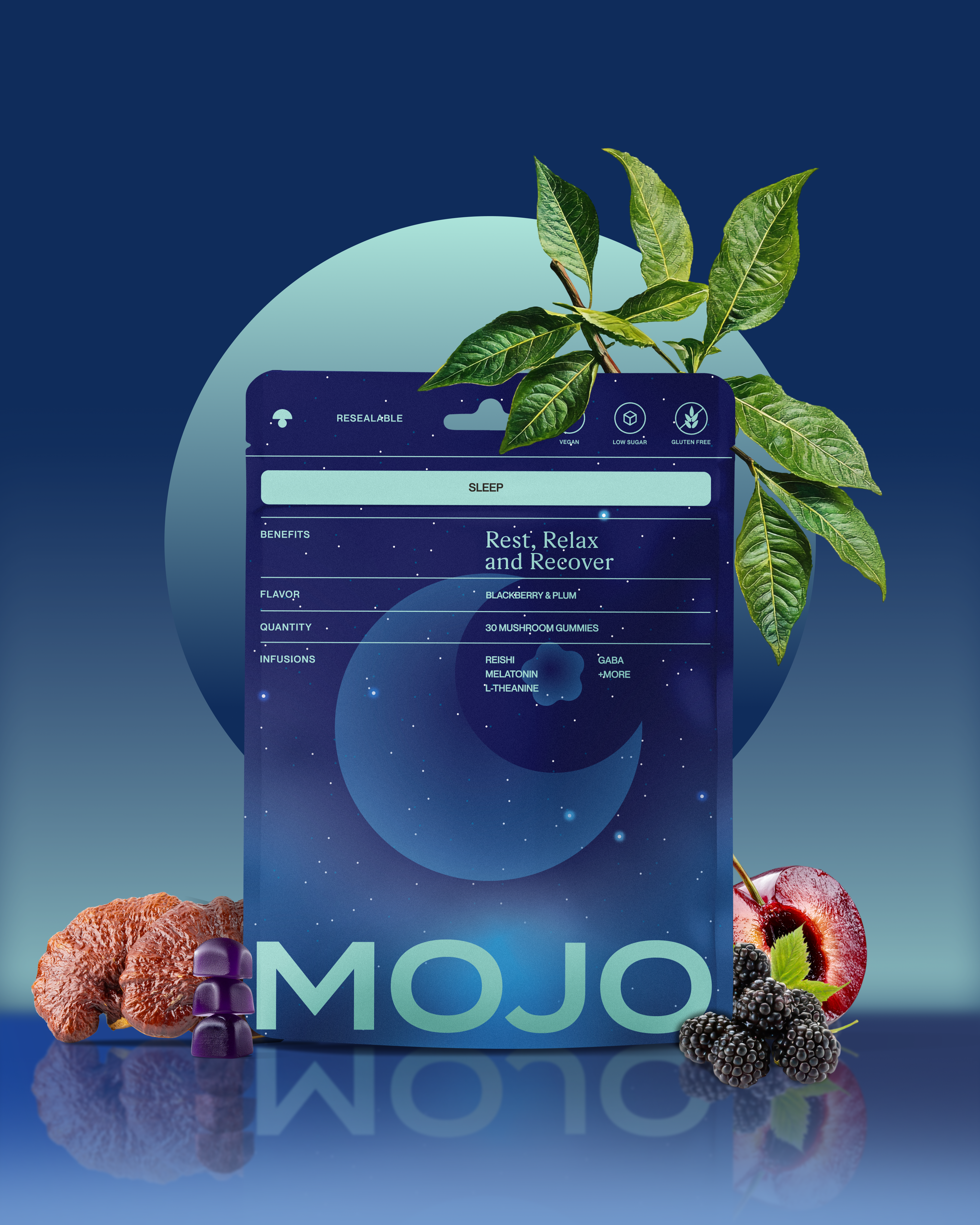
That is why L-Theanine is included in Mojo Brain Boost Gummies, where it works alongside Lion’s Mane, Cordyceps, Panax Ginseng, and Mucuna Pruriens to support mental clarity and productive energy.
Sometimes the best focus does not come from pushing your brain harder.
It comes from putting it in the right state.
Table of contents