Leonardo da Vinci famously left paintings unfinished for years. Nikola Tesla would work obsessively for days straight, barely sleeping, then suddenly abandon projects and jump into completely different ideas. Winston Churchill struggled with focus and depression so intensely he called it his “black dog.” Mozart was described as restless, impulsive, distractible, constantly bouncing between thoughts and ideas.
Today, a lot of these people would probably be diagnosed with ADHD.
And honestly, that changes how you think about focus entirely.
Because ADHD is often misunderstood as simply an inability to pay attention, when in reality it can feel more like paying attention to everything at once. Every idea feels important. Every notification pulls you away. Every unfinished thought keeps running in the background. It’s less like having “no focus” and more like having a brain that struggles to filter and prioritize where focus should go.
That’s why so many people with ADHD describe the exact same contradiction.
They can’t sit through emails, admin work, or repetitive tasks for twenty minutes without mentally drifting away, yet they can become completely locked into something interesting for six straight hours without noticing time passing. The issue was never that the brain couldn’t focus. The issue was that the brain struggled to regulate focus.
For decades, scientists found this paradox confusing. How can somebody have an “attention deficit” while also demonstrating periods of extreme concentration?
The answer ended up being incredibly interesting.
Modern neuroscience suggests ADHD is heavily connected to dopamine regulation and executive function. Dopamine isn’t just about pleasure, it plays a huge role in motivation, anticipation, engagement, and the brain’s ability to prioritize tasks. In simple terms, the ADHD brain often struggles to generate enough internal reward for low-stimulation activities.
Which is why boring tasks can feel physically painful.
Not emotionally dramatic. Literally painful.
Meanwhile, exciting projects, new ideas, competition, urgency, novelty, or creative work can suddenly flip the entire system on. That’s why so many entrepreneurs, artists, musicians, founders, and highly creative people identify with ADHD traits. Fast idea generation, obsessive curiosity, risk tolerance, pattern recognition, and bursts of intense productivity can all exist alongside distraction and mental chaos.
The modern world also makes this infinitely worse.
Phones, notifications, Slack messages, group chats, short-form video, open office noise, ten browser tabs, endless scrolling, constant stimulation. Modern life is basically engineered to fragment attention. Even people without ADHD increasingly feel mentally scattered because the environment itself constantly interrupts deep focus.
Most people try to solve this by simply adding more stimulation.
More coffee. More caffeine. More energy drinks.
But that often creates the opposite effect. You become more alert, but less clear. Your thoughts speed up, but your ability to sustain deep work actually gets worse. You feel wired, anxious, overstimulated, and mentally noisy.
That’s why newer approaches to focus support have become much more nuanced. The goal isn’t maximum stimulation anymore. It’s steadier energy, calmer cognition, and sustained mental clarity without the crash.
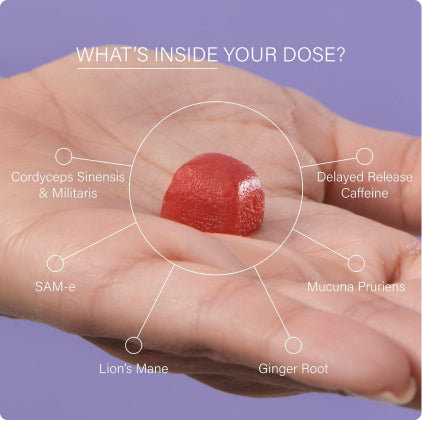
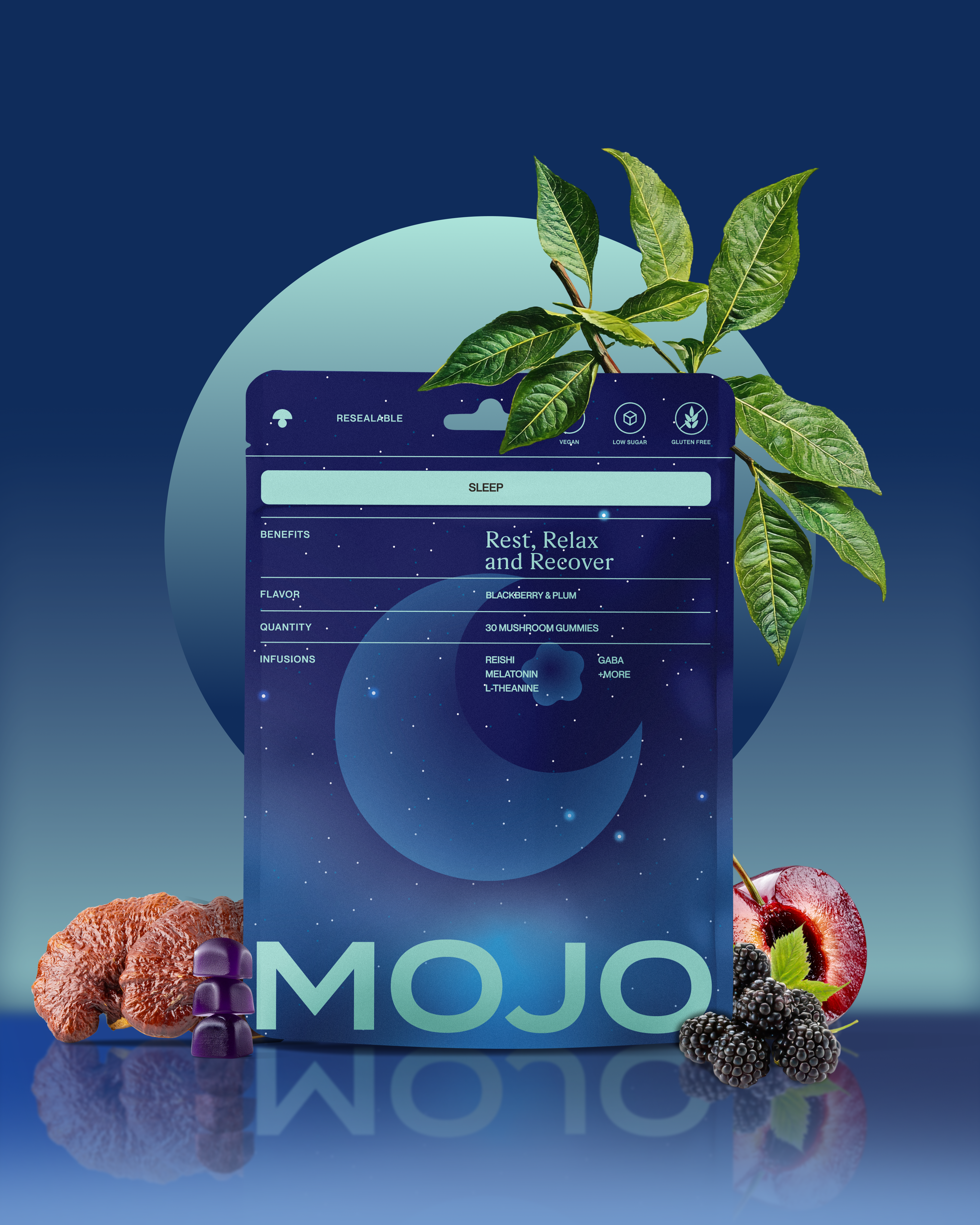
That’s one of the reasons we built Mojo Brain Boost Gummies differently. Instead of relying on massive stimulant loads, we focused on ingredients associated with smoother cognitive performance and balanced energy support, including slow-release caffeine, L-Theanine, Lion’s Mane mushroom, and Cordyceps.
The goal isn’t to feel “amped up.” It’s to help your brain feel less chaotic and more capable of staying locked into the things that actually matter.
Because for a lot of adults, focus isn’t really about becoming a productivity machine.
It’s about finally sitting down to do something and not feeling like your brain is trying to escape every ten minutes.
And maybe that’s part of why this conversation around ADHD has changed so much over the last decade. People are beginning to realize these brains are not simply broken or deficient. Often, they’re highly capable minds operating in environments that constantly overload and fragment them.
The challenge isn’t always intelligence.
Sometimes it’s friction.
Sometimes it’s overstimulation.
Sometimes it’s simply learning how to work with your brain instead of fighting against it all day long.
And history suggests a surprising number of brilliant people were probably fighting that same battle too.
Table of contents