Most people think ADHD is a focus problem.
It's the condition associated with forgotten keys, unfinished projects, missed appointments, and a desk that somehow becomes messy five minutes after you've cleaned it. It's frustrating, sometimes embarrassing, and often treated as little more than a productivity challenge.
But recent research suggests the story may be much bigger than that.
A major study from the UK found that adults diagnosed with ADHD had a significantly shorter life expectancy than the general population. For men, the gap approached seven years. For women, it was even larger.
Those numbers are startling because ADHD isn't the kind of condition we normally associate with lifespan. It isn't cancer. It isn't heart disease. It isn't a disease that directly damages the body in the way most people imagine when they think about serious health risks.
So why would it matter?
The answer appears to be that ADHD doesn't affect lifespan directly. Instead, it affects many of the behaviours that quietly shape our health over time.
Most people know they should get more sleep. They know they should exercise more often, eat better, spend less time scrolling, manage stress, and stay on top of important appointments. The challenge isn't a lack of information. The challenge is turning that information into consistent action.
For someone with ADHD, that challenge can be significantly greater.
The same executive function difficulties that make it harder to finish a work project can also make it harder to maintain healthy routines. Sleep schedules drift. Workouts get postponed. Stress accumulates. Healthy habits are replaced by whatever feels easiest in the moment. None of these things seem particularly significant on any given day, but health is rarely determined by what happens on a single day. It's determined by what happens over years.
That's why the findings are so interesting.
Researchers aren't suggesting that ADHD itself is shaving years off people's lives. What they're observing is the downstream effect of living for decades without the systems and routines that help keep people healthy.
In many ways, the study is less about ADHD and more about consistency.
The healthiest people tend to have a few things in common. They sleep reasonably well. They move their bodies regularly. They find ways to manage stress. They develop routines that make healthy choices easier than unhealthy ones. They don't do these things perfectly, but they do them often enough that the benefits compound.
People with ADHD frequently understand all of this. In fact, many know exactly what they should be doing. The difficulty lies in doing those things consistently when your brain is constantly pulling your attention in different directions.
That's why so many ADHD experts talk about systems rather than motivation.
Motivation is unreliable. Some days you have it. Some days you don't.
Systems are different.
A morning walk doesn't require motivation once it becomes part of your day. Neither does going to bed at the same time every night, laying out your workout clothes in advance, or building a consistent routine around work, exercise, and recovery. The goal isn't to rely on willpower. It's to reduce the number of decisions you need to make in the first place.
This is also why many people find supplements most useful when they're part of a larger routine rather than a standalone solution.
No gummy is going to transform your life on its own.
What it can do is become part of a system.
A cue that signals it's time to focus. A reminder that it's time to wind down. A small daily ritual that helps anchor a habit you're trying to build.
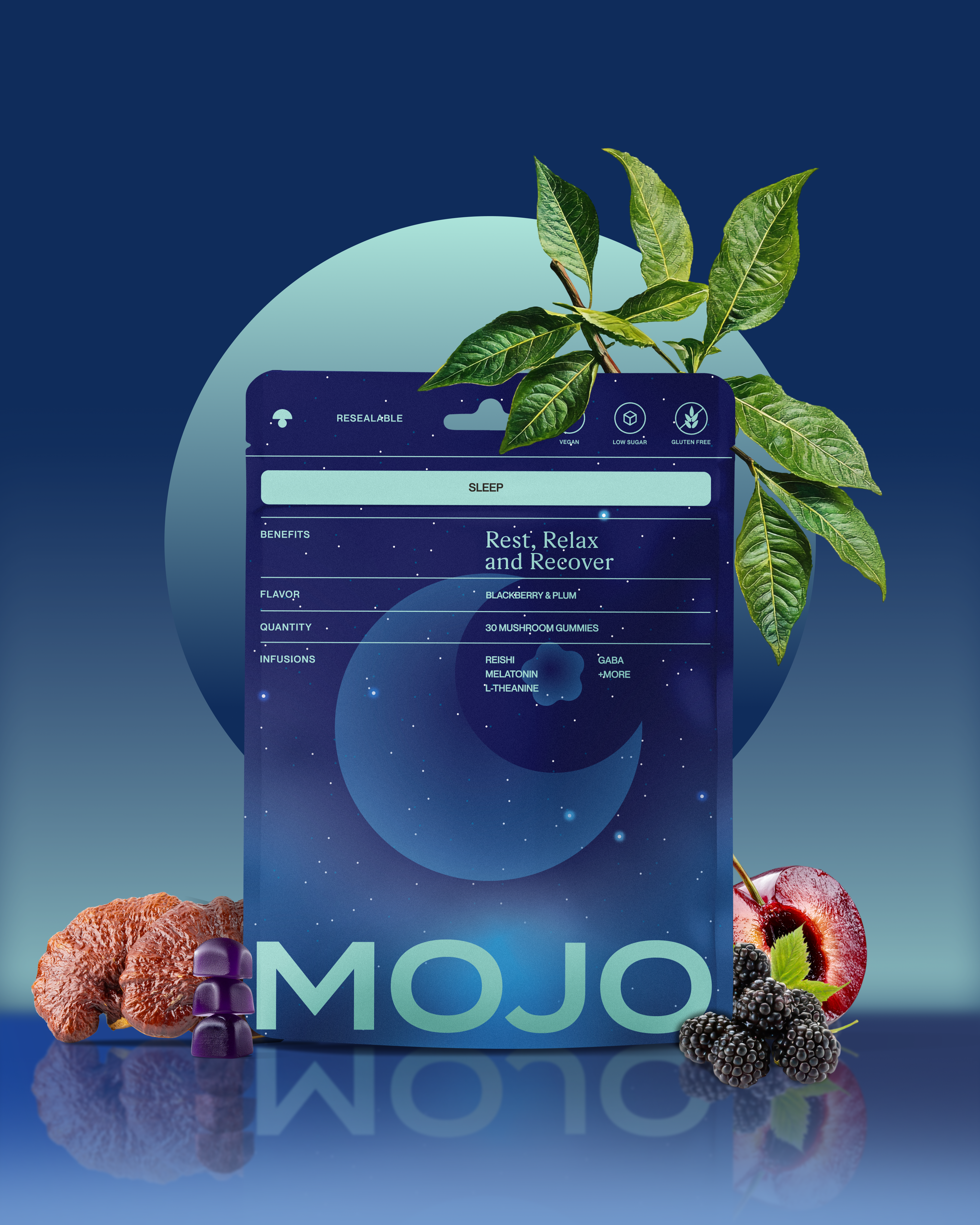
We've heard this repeatedly from the Mojo community. Whether it's Brain Boost, Energy, or Sleep, the people who seem to get the most value aren't looking for a miracle. They're looking for a routine they can stick with. The gummies become one small piece of a larger structure that helps them show up consistently.
And perhaps that's the most interesting takeaway from the ADHD research.
The biggest risk may not be ADHD itself.
The biggest risk may be spending years without the routines, habits, and systems that help you take care of yourself.
The encouraging part is that those things can be built.
One better night's sleep.
One morning walk.
One healthier choice.
One routine repeated often enough that it becomes automatic.
Health rarely changes overnight. But over months and years, small actions have a remarkable way of shaping where we end up.
And that's good news for everyone, whether they have ADHD or not.
Table of contents