If your brain feels a little slower than it used to… you're not imagining it. Most people hit their thirties and notice a shift. Tasks feel heavier. Words come slower. Focus drifts. You read the same paragraph three times and still don’t know what it said.
It isn’t age. It’s biology meeting modern life. Once you understand what’s happening under the hood, it becomes a lot easier to get your clarity back.
1. Hormones Shift and Your Mental Sharpness Shifts With Them
Your early twenties are a neurological peak. Dopamine, serotonin, and norepinephrine are all high. Then, slowly, they begin to level out.
By your thirties:
• dopamine becomes harder to release
• cortisol stays elevated longer
• estrogen and testosterone begin their early, subtle decline
• motivation and drive require more activation energy
You don’t lose ability. You lose easy access to the neurochemistry that made everything feel automatic.
2. Your Sleep Changes Even If You Sleep the Same Amount
After 30, your sleep architecture changes. You naturally get less deep sleep, more micro-awakenings, more light sleep, and a slower melatonin response in the evening.
So even if you’re in bed for eight hours, the quality often drops. Low-quality sleep leads to poor memory, worse focus, slower processing speed, and that groggy fog that clings to your morning.
3. The Great Screen Fatigue Problem
Screens don’t just tire your eyes. They tire your brain.
Blue light, constant notifications, tab-switching, and multitasking force your prefrontal cortex into rapid-fire mode. This drains dopamine and acetylcholine fast and leaves you mentally depleted by noon.
If you’re juggling work, kids, or general adult-ing, your brain is running a marathon every single day.
4. Neurotransmitter Decline Is Subtle but Noticeable
Your brain’s natural production of several key neurotransmitters dips slowly each year after your mid-twenties. The ones tied to mental clarity include dopamine for motivation, drive, and task initiation, acetylcholine for learning, memory, and focus, and norepinephrine for alertness and sustained attention.
When these fall even slightly, you feel it as procrastination, low motivation, trouble starting tasks, mental fatigue, memory lapses, difficulty switching between tasks, and the classic brain fog.
You aren’t broken. Your brain just needs support it didn’t need before.
How to Get Your Clarity Back
The good news is simple. Clarity is rebuildable. You just need to support your biology in the right ways. Here are the most effective levers.
1. Support Your Neurotransmitters Naturally
Compounds like functional mushrooms and adaptogens can help replenish what modern life drains.
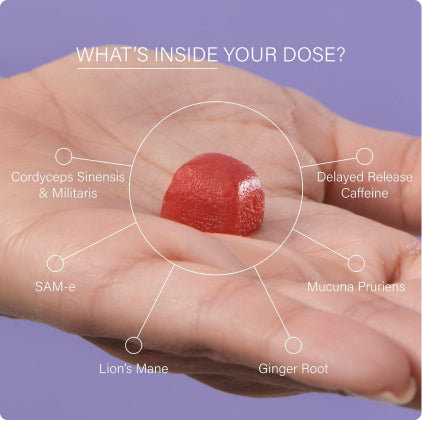
Ingredients shown to support clarity include Lion’s Mane for nerve growth and cognitive function, Cordyceps for cellular energy and oxygen use, Ginkgo for blood flow and memory, L-Theanine for calm focus, Rhodiola for mental endurance, and B-vitamins for neurotransmitter production.
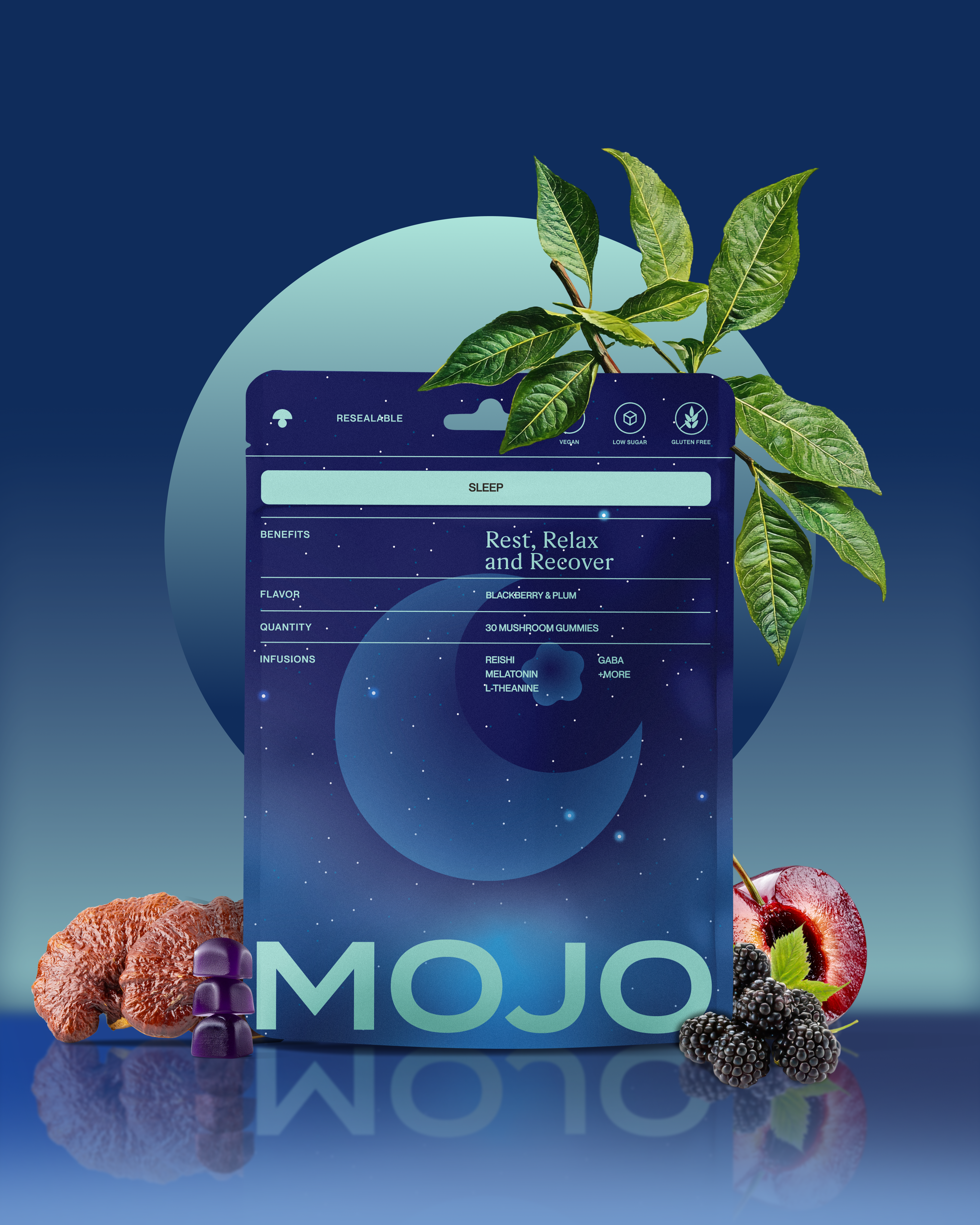
This is why formulas like Mojo work so well. They support dopamine, acetylcholine, and natural mental energy without caffeine jitters or a crash.
People describe it as “The fog lifted. I didn’t know how foggy I was until it went away.” That is the feeling of a brain getting what it has been missing.
2. Upgrade Sleep Quality Not Just Quantity
Small shifts compound. Dim lights an hour before bed, no screens close to your eyes at night, magnesium glycinate, consistent sleep-wake time, a cooler room temperature, and nighttime wind-down rituals all support deeper, more restorative sleep. Your thirties demand more intentional recovery than your twenties ever did.
3. Reduce Cognitive Overload
Your brain can only hold four things in working memory at once. Once you exceed that, you get fog.
Try batching tasks, reducing micro-decisions, using lists instead of mental storage, turning off non-essential notifications, and setting boundaries on multitasking. Mental clarity is often subtraction, not addition.
4. Move More It Powers Your Brain
Even ten to fifteen minutes of daily movement boosts dopamine, increases oxygen flow, enhances neuroplasticity, improves executive function, and reduces cortisol. You don’t need a workout. You just need movement.
The Big Picture
Brain fog after thirty isn’t decline. It is an invitation.
Your brain still wants to be sharp, motivated, and focused. It just needs more support in a world that drains it faster than ever.
When you support your neurotransmitters, upgrade your sleep, and reduce cognitive noise, your clarity comes back shockingly fast.
Mojo was built for this moment. For the adults who want their edge back. For the ones tired of feeling scattered. For the ones who know they have more in them and just need their brain to meet them halfway.
Table of contents