In the early 1990s, something strange happened on the world stage.
At the Olympic Games, Chinese female athletes began dominating long-distance running events in a way no one could explain.
Records fell.
Margins widened.
And officials were… confused.
These weren’t incremental improvements. They were blowouts.
Naturally, suspicion followed. Testing ramped up. Accusations flew. Western media whispered the usual explanations.
But no banned substances were found.
Instead, the athletes’ coach gave an answer that sounded almost mythical:
“They drink turtle blood… and take a special mushroom.”
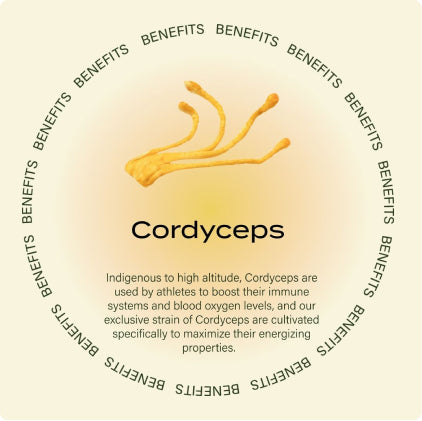
That mushroom was Cordyceps.
And almost overnight, the Western world became obsessed.

What is Cordyceps, really?
Cordyceps isn’t your average mushroom.
In nature, it grows high in the Himalayan and Tibetan plateaus. For centuries, it was so rare it was reserved for emperors, monks, and royalty in Traditional Chinese Medicine.
Its nickname?
“Himalayan Gold.”
Historically, Cordyceps was used for:
-
Stamina and endurance
-
Lung capacity and oxygen utilization
-
Physical vitality and recovery
-
Energy without agitation
In other words: exactly the things elite endurance athletes obsess over.
Why did Olympic officials care?
Because Cordyceps doesn’t work like a stimulant.
It doesn’t spike adrenaline.
It doesn’t hijack your nervous system.
It doesn’t push you into jittery overdrive.
Instead, it works downstream - supporting how efficiently your body uses oxygen and produces ATP (your cells’ energy currency).
That’s what made it unsettling.
If caffeine is stepping on the gas…
Cordyceps is quietly upgrading the engine.
And in endurance sports, that difference is everything.
The modern twist: from myth to measurable

For a long time, Cordyceps lived in the gray zone between folklore and science.
That changed when researchers began isolating its active compounds and studying its effects on:
-
VO₂ max (oxygen uptake)
-
Mitochondrial efficiency
-
Fatigue resistance
-
Physical recovery
Modern cultivation (like Cordyceps militaris) made it possible to study - and use - the mushroom without harvesting endangered wild strains.
The mystery didn’t disappear.
But it became legible.
Why Cordyceps feels different than “energy”
This is where people usually have their ohhh moment.
Cordyceps doesn’t feel like:
-
A jolt
-
A buzz
-
A rush
It feels like:
-
Breathing feels easier
-
Effort feels lighter
-
You last longer before tiring
-
You recover faster after
Many people describe it as quiet energy - the kind that shows up as endurance, not urgency.
Which is exactly why it’s so interesting for modern life.
From Olympians to everyday humans
You don’t need to be running a 10,000-meter final to appreciate what Cordyceps does.
Today, it’s used by:
-
Athletes who want sustainable endurance
-
Professionals who want steady energy without crashes
-
Parents who need stamina, not spikes
-
Anyone tired of being wired but exhausted
The same reason it unnerved Olympic officials is the reason people love it now.
It doesn’t force your body.
It supports it.
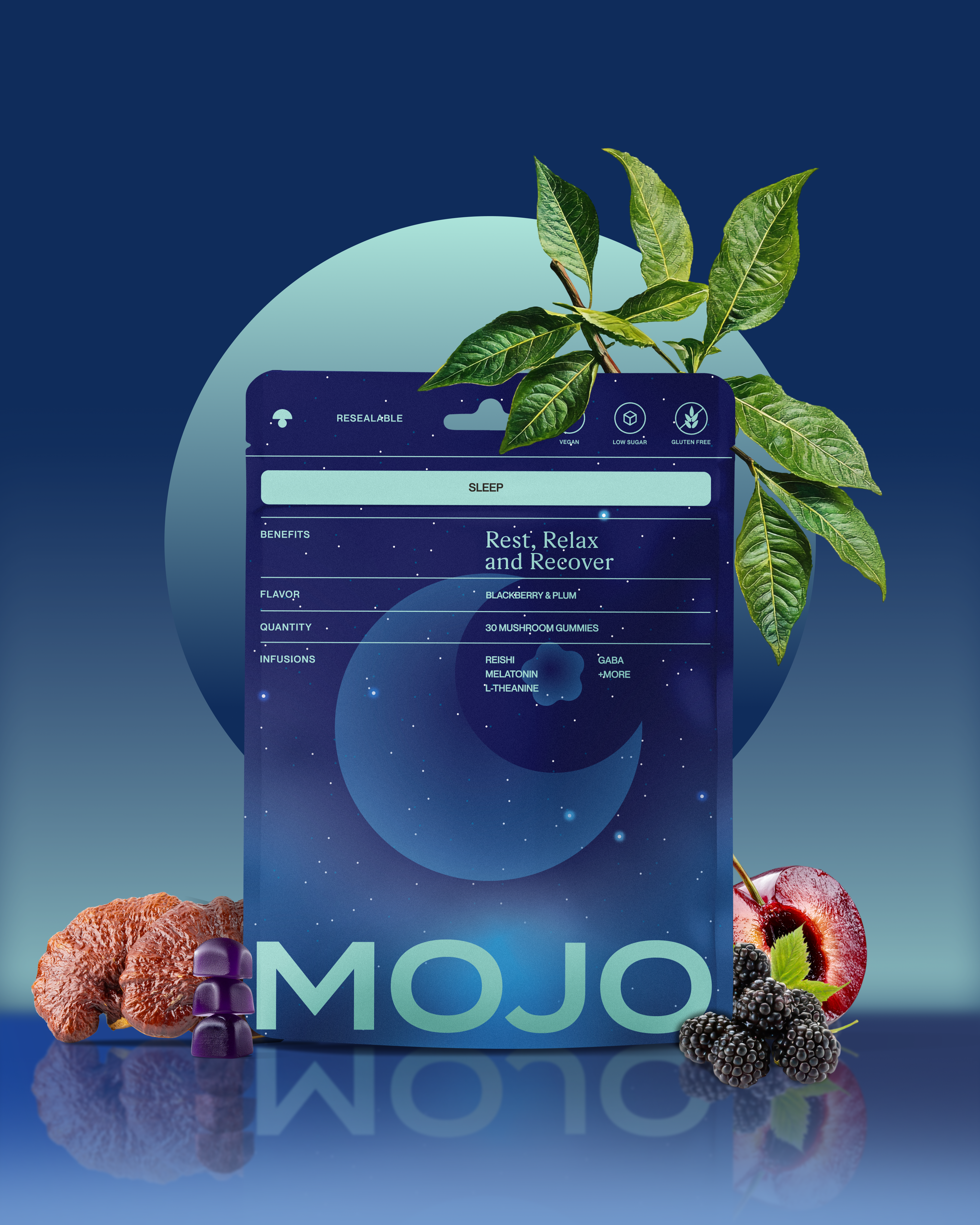
Why we care about Cordyceps at Mojo
We’re not interested in “more energy at any cost.”
We’re interested in better energy:
-
Calm
-
Sustainable
-
Non-jittery
-
Compatible with real life
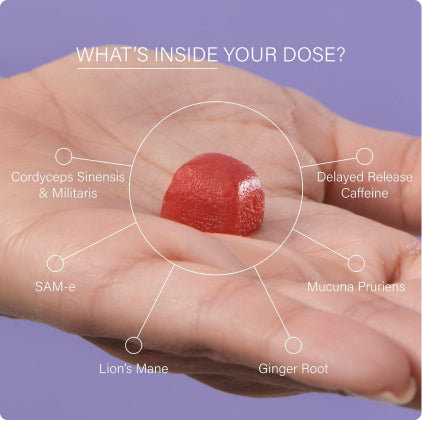
Cordyceps earned its reputation long before it ever showed up in our gummy.
And once you understand the story - the altitude, the athletes, the records, the mystery - it’s hard to unsee why this mushroom still matters.
Some ingredients shout.
Cordyceps just quietly shows up - and keeps going.
Table of contents